

Manual of product Erosion Feeder

Editorial note
The JANDY Erosion Feeder stands out for its innovative design and optimal performance, ensuring an enhanced user experience. The reputation of the JANDY brand, known for its quality and innovation, reinforces users' trust in this product. Durability is also a strong point, with the quality of manufacturing ensuring increased longevity, making it a reliable choice for prolonged use. However, the purchase cost can represent a significant investment, which may deter some users. Additionally, the installation of the device may require the intervention of a professional, incurring extra costs. Although a user manual facilitates understanding of the features, the regular maintenance required for effective operation can be burdensome. Furthermore, the JANDY Erosion Feeder may be noisy during operation and occupy considerable space, which could pose problems in certain environments. In summary, the JANDY Erosion Feeder is a high-performing and durable device, but its cost, installation, and maintenance can be drawbacks to consider.Score details
User experience
The JANDY Erosion Feeder offers an enhanced user experience thanks to its optimal performance and innovative design.
Performance
The product's performance is efficient, suitable for daily use, although it may require regular maintenance.
Value for money
The purchase cost can represent a significant investment, which could be a barrier for some users.
Usability
The presence of a user manual makes it easier to understand and utilize the features, although installation may require a professional.
Robustness
The quality of JANDY's manufacturing ensures increased durability, making the JANDY Erosion Feeder a reliable long-term choice.
Design
Although the design facilitates maintenance, the device can be bulky and noisy, which could be disruptive in certain environments.
Advantages
Innovative and quality design
Efficient performance for daily use
Ease of use with a comprehensive manual
Long-term durability and reliability
Simplified maintenance for optimal operation
Disadvantages
High purchase cost for some users.
Installation sometimes requires a professional.
Regular maintenance needed for efficiency.
Noisy in operation, sometimes disturbing.
Takes up a lot of space in some installations.
Technical Specifications Erosion Feeder
General Information
-
ModelEROSION FEEDER
-
Brand
-
Category
-
Type
-
SKU1934889
-
MPN1934889
Frequently Asked Questions
Is the user manual for the JANDY Erosion Feeder available in French?
Similar products


More product categories from brand JANDY
More product types from brand JANDY


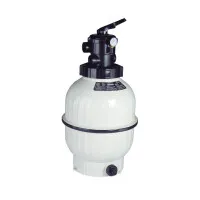



Presentation of product Erosion Feeder specifications from brand JANDY
General Information
The JANDY Erosion Feeder is a product from the renowned brand JANDY, known for its commitment to quality and innovation in the home appliance sector. This model is designed to deliver optimal performance, resulting in a significantly improved user experience, ideal for daily use.
Advantages
This device benefits from an innovative design that reflects the brand's reputation. Thanks to its efficient performance, the JANDY Erosion Feeder ensures a smooth and enjoyable use. Moreover, it is easy to use thanks to a clear instruction manual, allowing users to fully take advantage of its features.
The durability of the device is also a major asset, with JANDY's manufacturing quality ensuring appreciable longevity. Furthermore, its simplified maintenance allows the device to be kept in excellent condition without requiring considerable effort.
Disadvantages
However, the JANDY Erosion Feeder has some disadvantages. Its purchase cost can be high, representing a significant investment for some users. Additionally, its installation may sometimes require the intervention of a professional, which can incur additional costs and delay the commissioning.
It is important to note that the device requires regular maintenance to ensure optimal operation, which can be burdensome for some. Furthermore, the operation of the JANDY Erosion Feeder can be noisy, which could be disruptive in quiet environments. Finally, its design may require considerable space, which can pose problems in installations where space is limited.


