
Manual of product ES1

Editorial note
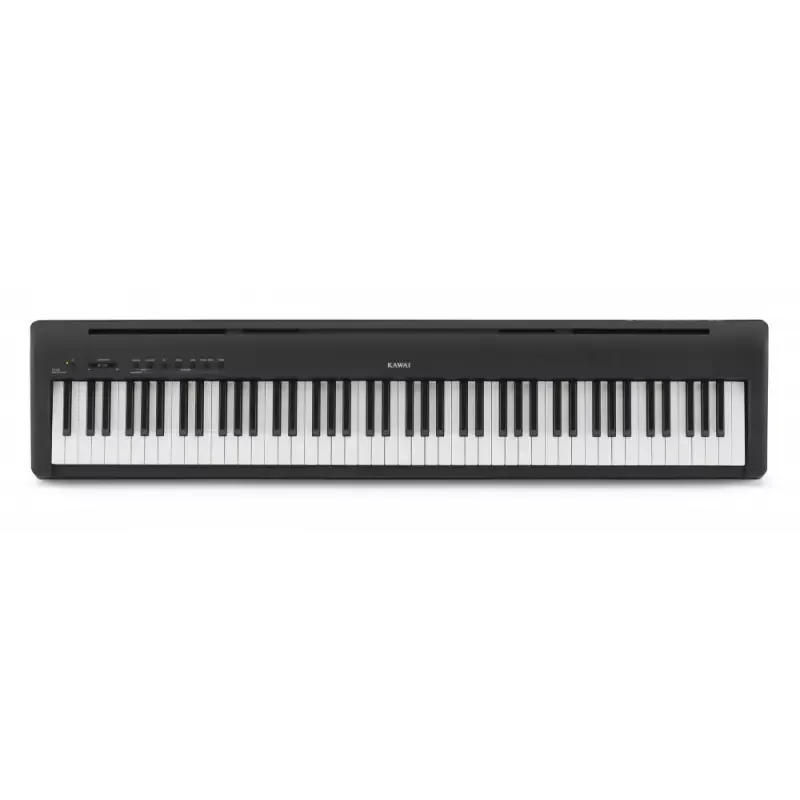
The Kawai ES1 is a digital piano that stands out due to the reputation of the Kawai brand, known for its quality and innovation. This model offers optimal performance, ensuring a pleasant playing experience for musicians of all levels. Its compact and elegant design is a major asset, making it ideal for small spaces while adding an aesthetic touch to any interior. Additionally, the inclusion of a user manual makes it easy to get started, which is particularly appreciated by beginners. However, some drawbacks are worth noting. The weight of the piano can complicate its transport, which may be a hindrance for traveling musicians. Furthermore, although the performance is generally satisfactory, some keys lack the responsiveness of an acoustic piano, which could disappoint experienced pianists in search of an authentic feel. Moreover, the price of this model is relatively high compared to other digital pianos offering similar features, which could deter some buyers. Finally, the limited number of built-in sounds and styles may restrict the creativity of users wishing to explore more musical diversity. In summary, the Kawai ES1 is a well-designed digital piano, appreciated for its quality and aesthetics, but potential musicians should consider its limitations, particularly in terms of transport and features, before making their choice.Score details
User experience
The user experience is generally positive thanks to a clear user manual that facilitates onboarding, but the interface may seem complex for beginners.
Performance
The performance of the Kawai ES1 is optimal for musicians of all levels, although some keys lack the responsiveness of an acoustic piano.
Design
The compact and elegant design of the piano is a major asset, making it suitable for small spaces while adding an aesthetic touch.
Value for money
The price is relatively high compared to other digital pianos, which may deter some in their choice.
Features
The limited number of built-in sounds and styles may restrict the creativity of users looking for musical diversity.
Support
The availability of a 22-page user manual is an excellent support for new users, facilitating learning.
Advantages
Kawai's reputation for quality and durability
Optimal performance for all levels
User manual for quick handling
Compact and elegant design for small spaces
Versatility suitable for beginners and advanced users
Disadvantages
Heavy weight, difficult to transport.
Lack of responsiveness of the keys.
Price considered too high.
Complex interface for beginners.
Limited number of sounds and styles.
Frequently Asked Questions
Is the Kawai ES1 manual available in French?
Similar products



More product categories from brand Kawai
Audio Kawai
More product types from brand Kawai


Presentation of product ES1 specifications from brand Kawai
General Information
The Kawai ES1 is a digital piano from the renowned brand Kawai, known for its expertise and innovation in the field of musical instruments. This model, the ES1, has been designed to deliver high-quality performance, ensuring an enriching playing experience for musicians of all levels.
Advantages
Among the strengths of the Kawai ES1, its reliability and durability stand out, thanks to the established reputation of the Kawai brand. This piano allows for a smooth and enjoyable playing experience, ideal for both beginners and advanced pianists. Its compact and elegant design fits perfectly into small spaces while adding an aesthetic touch to your interior. Additionally, a user manual is included, making it easier to learn and quickly get accustomed to the device.
Disadvantages
However, the Kawai ES1 has some drawbacks. Its weight can make transportation difficult for musicians on the go. Some keys may lack the responsiveness expected from an acoustic piano, which can disappoint pianists seeking an authentic feel. Furthermore, its price may be perceived as high compared to other digital pianos offering similar features. The user interface may also seem complex to newcomers, making certain functionalities difficult to utilize without some adjustment time. Finally, the number of built-in sounds and styles is relatively limited, which could restrict the creativity of users looking for musical diversity.


