

Manual of product 1 J3
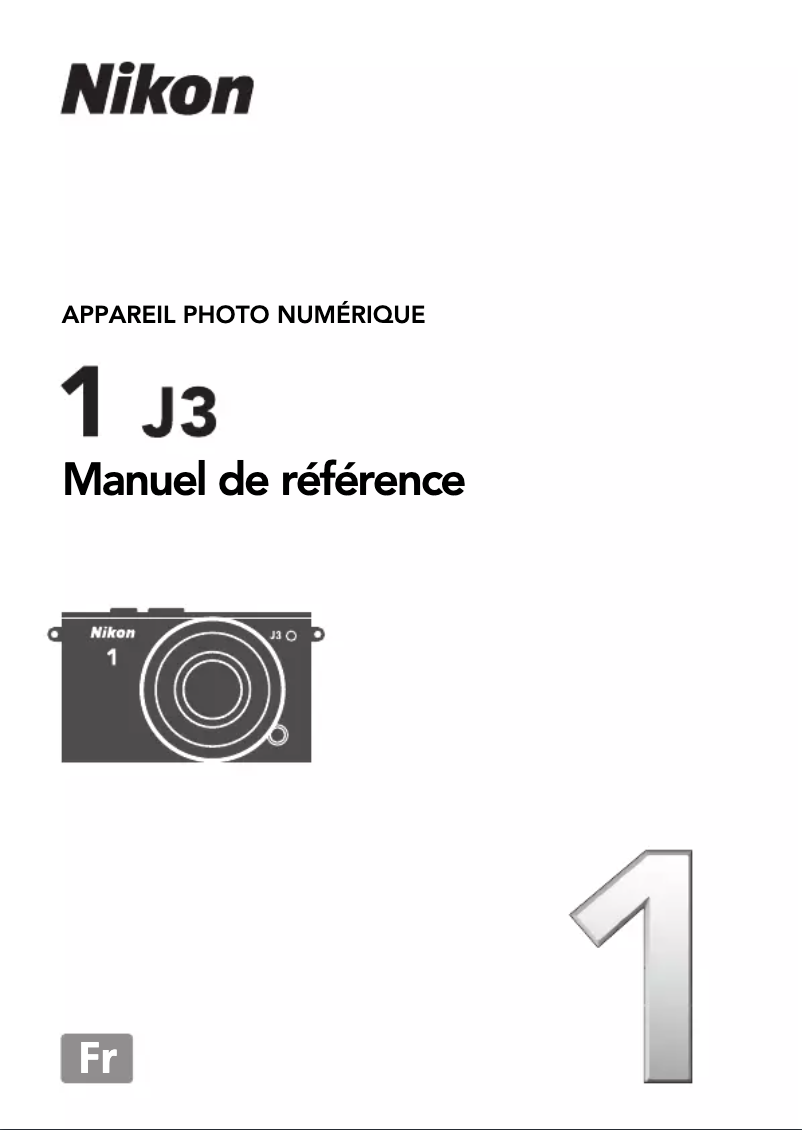
Editorial note
The Nikon 1 J3 stands out for its exceptional image quality, a result of Nikon's advanced technology. It offers sharp and vibrant photos, even in low-light conditions. Its compact and lightweight design makes it perfect for photographers on the go, allowing for great portability while maintaining excellent performance. The intuitive user interface makes it easy for everyone to handle, whether beginners or seasoned photographers. Additionally, the wide range of creative features allows for exploring numerous shooting possibilities. However, the Nikon 1 J3 has some drawbacks. The CX-type sensor, while effective, is smaller than APS-C or full-frame sensors, which can affect image quality in low light. The lack of an optical viewfinder makes composition more challenging in sunny weather, and the selection of interchangeable lenses is limited compared to other systems. The battery has a relatively short lifespan, which can be an issue during long shooting sessions. Finally, the autofocus system, while effective, can sometimes be slow in fast shooting situations. Overall, with high scores in user experience, design, and support, the Nikon 1 J3 stands out as a solid choice for those looking for a high-performing and easy-to-use camera, while keeping its limitations in mind.Score details
User experience
The user experience is very positive thanks to an intuitive and ergonomic interface, suitable for both beginners and experienced photographers.
Performance
The performance is generally good, with exceptional image quality, but the CX-type sensor may limit quality in low light.
Battery life
The battery life is relatively short, which can be problematic during long photography sessions.
Design
The compact and lightweight design of the Nikon 1 J3 is ideal for travel photography, offering great portability without compromising performance.
Features
The Nikon 1 J3 has a wide range of creative features, allowing users to explore their creativity with various shooting modes.
Support
The user manual is comprehensive and provides practical tips to maximize the use of the device.
Advantages
Exceptional image quality in low light
Compact and lightweight for travel photography
Intuitive interface for all levels
Various creative features to explore
Comprehensive manual with practical tips
Disadvantages
CX sensor less effective in low light
No viewfinder, screen difficult in sunlight
Few interchangeable lenses available
Limited battery life
Autofocus sometimes slow
Technical Specifications 1 J3
General Information
-
Model1 J3
-
Brand
-
Category
-
Type
-
SKU53343
-
MPN53343
Frequently Asked Questions
Can the manual for the Nikon 1 J3 be obtained in French?
Similar products


More product categories from brand Nikon
Camera and photography Nikon
Garden and outdoor Nikon
Other Nikon
Audio Nikon
Tools Nikon
Interior Nikon
Software Nikon
Phones Nikon
More product types from brand Nikon


Presentation of product 1 J3 specifications from brand Nikon
General Information
The Nikon 1 J3 is a camera from the Nikon brand, known for its excellence and innovation in the field of photography. This model, the 1 J3, stands out for its remarkable performance and a smooth user experience, suitable for both beginners and seasoned photographers. The EAN code 18208930159 allows for unique identification of the product in the distribution circuit.
Advantages
The Nikon 1 J3 offers exceptional image quality thanks to its advanced technology, ensuring sharp and vibrant photos, even in low light conditions. Its compact and lightweight design makes it an ideal choice for travelers, allowing for great portability without compromising performance. The user interface is intuitive and ergonomic, making it easy to handle for all levels of experience. Additionally, a variety of creative features is available, allowing users to explore their creativity through different shooting modes. A comprehensive user manual is also accessible, providing tips and tricks to optimize the use of the device.
Disadvantages
However, the Nikon 1 J3 has some drawbacks. It uses a CX type sensor, which is smaller than APS-C or full-frame sensors, which can affect image quality in low light conditions. The lack of an optical viewfinder can complicate photo composition in bright sunlight, making the LCD screen difficult to use. Furthermore, the selection of interchangeable lenses is limited compared to digital SLR or hybrid systems from other brands, thus restricting creative options. The battery also has a relatively short lifespan compared to other devices, which can pose problems during long photo sessions. Finally, while the autofocus system is effective, it can sometimes be slow in fast shooting situations, leading to missed opportunities.


