
Manual of product Leon (2005)

Editorial note
The Seat Leon (2005) stands out for its dynamic and modern design, appealing with its sporty look that catches the eye on the road. This model also offers appreciable driving comfort, with a well-thought-out interior layout, although space for rear passengers may be limited on long journeys. In terms of performance, the car is generally reliable, but some users have reported issues regarding electronic components. Additionally, although it is designed to be fuel-efficient, its consumption can be relatively high compared to some competitors, which may lead to higher operating costs. The Seat Leon (2005) incorporates technological features that, while appreciated, may seem outdated compared to more recent models. Finally, it is important to note that its resale value is lower than that of some competing brands, which can influence long-term investment. In summary, the Seat Leon (2005) is an attractive car with undeniable advantages, but it also has drawbacks that potential buyers should consider.Score details
User experience
The user experience is generally positive thanks to well-thought-out driving comfort, although the interior space may be limited for rear passengers.
Performance
The Seat Leon (2005) offers reliable performance, but some users have reported issues with electronic components.
Design
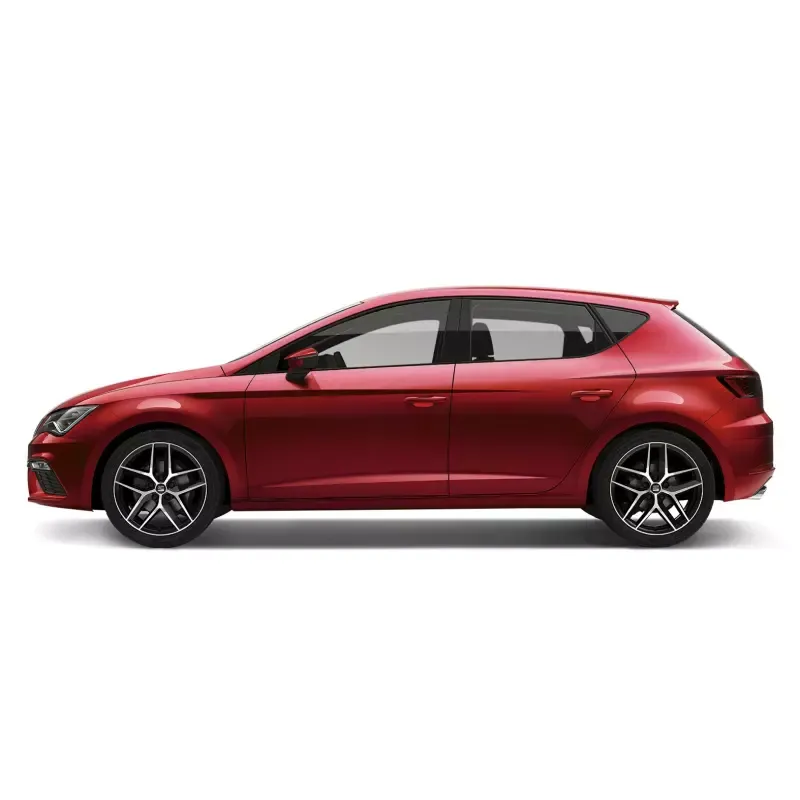
The dynamic and modern design of the Seat Leon (2005) makes it an attractive car, with a sporty look that appeals on the road.
Value for money
Although the car is fuel-efficient, its resale value is lower than that of some competing brands, which can affect long-term investment.
Features
Despite its manufacturing year, the Seat Leon (2005) incorporates appreciated technological features, but these may seem outdated compared to recent models.
Advantages
Sporty and elegant design
Optimal comfort for all journeys
Proven reliability and performance
Notable fuel economy
Integrated technology for a better experience
Disadvantages
High fuel consumption.
Outdated interior technology.
Limited rear space.
Reported reliability issues.
Low resale value.
Technical Specifications Leon (2005)
General Information
-
ModelLEON (2005)
-
Brand
-
Category
-
Type
-
SKU55940
-
MPN55940
Frequently Asked Questions
How do I convert miles to kilometers?
Where can I find the VIN number of my Seat?
What is a VIN number?
How often should I have my Seat serviced?
When is it advisable to change the brake fluid in my Seat?
What is the difference between E10 and E5 gasoline?
What should I do if some doors do not open from the inside?
What should I do if my car radio does not turn on?
Is the manual for the Seat Leon (2005) available in French?
Similar products




More product categories from brand Seat
More product types from brand Seat


Presentation of product Leon (2005) specifications from brand Seat
General Information
The Seat Leon (2005) is an iconic model from the Seat brand, known for its commitment to quality and innovation in the automotive sector. This vehicle is designed to provide a pleasant and reliable driving experience while showcasing a modern and sporty design that does not go unnoticed on the road.
Advantages
Dynamic design: The Seat Leon (2005) is characterized by an elegant and sporty silhouette, attracting attention and asserting its character on the road.
Driving comfort: The interior of the car is carefully arranged, ensuring optimal comfort for the driver and passengers, even on long journeys.
Reliability and performance: This model is renowned for its robustness, offering reliable performance that contributes to a safe and enjoyable driving experience.
Fuel economy: The Seat Leon (2005) is designed to be fuel-efficient, thus helping to reduce daily operating costs.
Integrated technology: Although this model dates back to 2005, it is equipped with technological features, such as a quality audio system, that enhance the driving experience.
Disadvantages
Fuel consumption: Compared to some competitors, fuel consumption can be relatively high, which may lead to additional expenses for the owner.
Outdated technology: The interior equipment and technologies may seem obsolete compared to newer models, offering less comfort and modern amenities.
Limited interior space: The space in the back may prove to be restricted, making long journeys less comfortable for rear passengers.
Reliability issues: Some users have reported reliability problems, particularly with electronic components, which can detract from the overall experience.
Resale value: The resale value may be lower than that of some competing brands, which can impact long-term investment.


