
Manual of product Leon (2008)

Editorial note
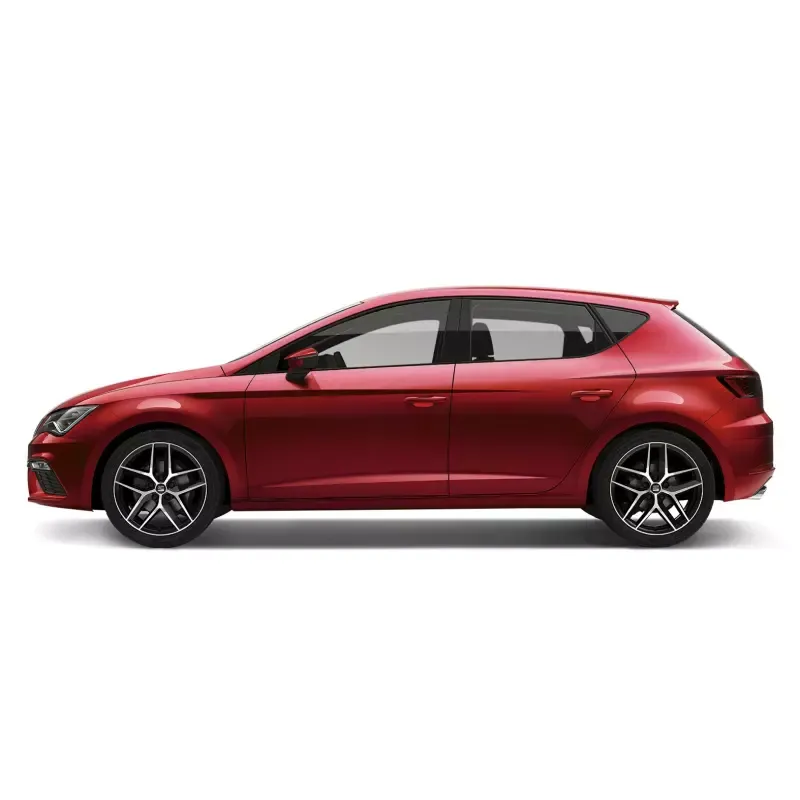
The Seat Leon (2008) stands out for its modern and elegant design, which catches the eye on the road. Its interior offers well-thought-out comfort, with quality materials and enough space for passengers, contributing to an overall positive user experience. In terms of performance, the vehicle ensures a smooth and responsive drive, although fuel consumption is relatively high compared to some competitors. Additionally, the Seat brand enjoys a good reputation for reliability and innovation, which is a significant advantage. However, the Seat Leon (2008) has some drawbacks. It lacks modern safety and driving assistance technologies, which may be a drawback for those seeking advanced features. The cargo space is also limited, which could be an issue for families or those needing to transport bulky items. Finally, the firm suspension can make driving less comfortable on poorly maintained roads. In conclusion, while the Seat Leon (2008) has many strengths, including its design and reliability, it is important to consider its limitations, particularly regarding fuel consumption and technological equipment.Score details
User experience
The user experience is positive thanks to a well-thought-out interior comfort and quality materials, providing a pleasant drive.
Performance
The performance is optimal, ensuring a smooth ride, although fuel consumption could be improved.
Design
The design is modern and elegant, standing out on the road and attracting attention.
Value for money
Although the value for money is satisfactory, the lack of modern safety technologies may diminish perceived value.
Usability
The accessibility of the user manual makes it easier to handle and maintain the vehicle, which is a considerable asset.
Robustness
The reliability of the Seat brand is a strong point, recognized for its durability and technical innovations.
Features
The vehicle lacks certain modern safety and assistance technologies that are now common in other models.
Advantages
Modern and elegant design
Smooth and responsive performance
Well-thought-out interior comfort
Reliability of the Seat brand
Accessible user manual
Disadvantages
High fuel consumption.
Lack of modern safety technologies.
Limited cargo space.
Firm suspension on damaged roads.
Less refined interior finishes.
Technical Specifications Leon (2008)
General Information
-
ModelLEON (2008)
-
Brand
-
Category
-
Type
-
SKU793013
-
MPN793013
Frequently Asked Questions
How to convert miles to kilometers?
Where can I find the VIN number of my Seat?
What is the VIN number?
How often should I have my Seat serviced?
How often should I replace the brake fluid in my Seat?
What is the difference between E10 and E5 gasoline?
What should I do if one or more doors do not open from the inside?
My car radio won't turn on, what should I do?
How to adjust the driver's seat height in a Seat Leon (2008)?
How does the air conditioning system work in a Seat Leon (2008)?
How to use the headlights of a Seat Leon (2008)?
How to activate the child safety locks in a Seat Leon (2008)?
How to check the tire pressure of a Seat Leon (2008)?
Is the manual for the Seat Leon (2008) available in French?
Similar products




More product categories from brand Seat
More product types from brand Seat


Presentation of product Leon (2008) specifications from brand Seat
General Information
The Seat Leon (2008) is a vehicle from the Seat brand, known for its quality, innovation, and commitment to the automotive sector. This model stands out with its modern and elegant design, offering a pleasing aesthetic that catches the eye on the road. In terms of performance, the Leon guarantees a smooth and responsive drive, regardless of the type of traffic.
Inside, the cabin is carefully designed, using quality materials and providing enough space to comfortably accommodate passengers. The reliability of the Seat brand is another asset, recognized for its durability and technical advancements in the automotive field. Additionally, an accessible user manual allows for easy handling and simplified maintenance of the vehicle.
Advantages
Among the strengths of the Seat Leon (2008), we can mention:
- Attractive design: Its modern aesthetic stands out on the road.
- Optimal performance: It ensures a pleasant and responsive drive.
- Interior comfort: The spacious and well-designed cabin prioritizes passenger well-being.
- Reliability: Seat's reputation for durability is a mark of trust.
- Accessible manual: Facilitates the use and maintenance of the vehicle.
Disadvantages
However, the Seat Leon (2008) also has some drawbacks:
- Fuel consumption: Relatively high compared to some competitors in the same category.
- Safety technologies: Lacks some modern driving assistance features that are now common.
- Loading space: Limited, which could pose a problem for families or those needing to transport bulky items.
- Firm suspension: May make driving less comfortable on poorly maintained roads.
- Trim options: Sometimes considered less refined compared to other brands in the same segment.


