

Manual of product Toledo (2014)

Editorial note
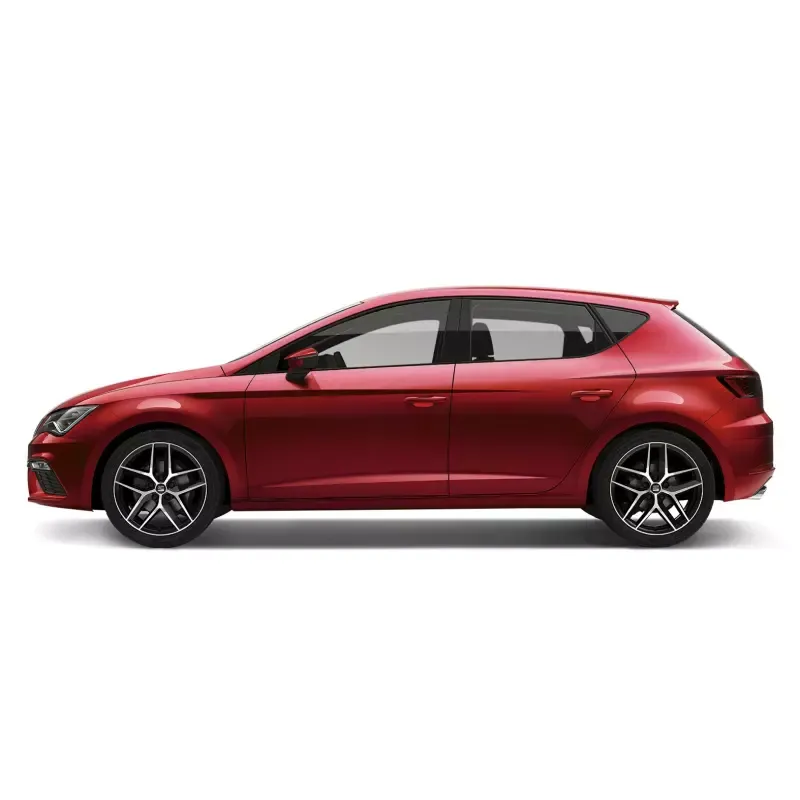
The Seat Toledo (2014) stands out with its modern and elegant design that catches the eye, although some users may find it slightly dated compared to its newer competitors. Its interior space is generous and offers appreciable comfort for passengers, even if the rear space may seem limited on long journeys. In terms of performance, the model displays good characteristics, but it is worth noting that its fuel consumption could be less advantageous than that of other vehicles in the same category, leading to higher operating costs. Additionally, the noise level inside the cabin can be above average, especially at higher speeds, which may detract from driving comfort. The onboard technology is adequate, but it may seem basic and less intuitive compared to more modern models, which could disappoint users looking for advanced features. However, the recognized reliability and durability of the Seat brand ensure solid and dependable performance over time. Overall, the Seat Toledo (2014) is a wise choice for those seeking a reliable and comfortable vehicle, although it has some limitations in terms of consumption and technology.Score details
Design
The modern and elegant design catches the eye, but some may find the design a bit dated compared to the competition.
Usability
The interior space is generous and comfortable for passengers, although the rear space may be perceived as limited on long journeys.
Performance
The performance is generally good, but fuel consumption may be less advantageous compared to other models, leading to higher operating costs.
Features
The onboard technology is adequate, but may seem basic and less intuitive compared to newer models.
Robustness
The recognized reliability and durability of the Seat brand ensure lasting performance over time.
noise_level
The noise level inside the cabin can be above average, especially at higher speeds, which may affect driving comfort.
Advantages
Modern and attractive design
Spacious and comfortable interior space
Advanced technology and integrated safety
Fuel-efficient consumption
Recognized reliability of Seat
Disadvantages
Design a bit dated compared to competitors
Limited rear space for passengers
Less advantageous fuel consumption
High interior noise at high speeds
Basic and not very intuitive onboard technology
Technical Specifications Toledo (2014)
General Information
-
ModelTOLEDO (2014)
-
Brand
-
Category
-
Type
-
SKU823499
-
MPN823499
Frequently Asked Questions
How do I convert miles to kilometers?
Where can I find the VIN number of my Seat?
What is the VIN number?
How often should I have my Seat serviced?
When is it advisable to change the brake fluid in my Seat?
What are the differences between E10 and E5 gasoline?
What should I do if one or more doors do not open from the inside?
What should I do if my car radio does not turn on?
Is the manual for the Seat Toledo (2014) available in French?
Similar products




More product categories from brand Seat
More product types from brand Seat


Presentation of product Toledo (2014) specifications from brand Seat
General Information
The Seat Toledo (2014) is a car model that embodies the reputation of the Seat brand, known for its quality and innovation. This vehicle combines modern design with reliable performance, providing a pleasant driving experience and an optimized user experience.
The Toledo stands out with its elegant design that attracts attention, while offering a generous interior space for passenger comfort. Its spacious trunk makes it easy to transport various items, making this model practical for daily commutes or trips.
Equipped with advanced technologies and integrated safety systems, the Seat Toledo ensures a calm and secure driving experience. Additionally, its fuel consumption is designed to be optimized, allowing for long-term savings while minimizing its impact on the environment.
The reliability and durability of the Seat brand are also major assets, ensuring consistent performance over time.
Advantages and Disadvantages
Among the notable advantages of the Seat Toledo (2014), we find:
- A modern aesthetic that appeals to many drivers.
- A comfortable interior space and a practical trunk volume.
- Advanced safety features for a worry-free drive.
- An optimized fuel consumption that allows for savings.
- The reputation for robustness of the Seat brand.
However, there are a few disadvantages to consider:
- The design may seem dated compared to newer competitors.
- The space for rear passengers may feel limited on long journeys.
- Fuel consumption could be less competitive than other similar models.
- The level of noise inside the cabin may be above average, especially at high speeds.
- The technological options on board may seem basic, thus disappointing users seeking modernity.


