

Manual of product D-936R

Editorial note
The TOA D-936R stands out for its exceptional audio performance, with a frequency range of 20 Hz to 20 kHz that ensures clear and precise sound reproduction. This model is compatible with various devices, including the D-901, which offers appreciated flexibility in different configurations. Its lightweight design of 145 g and compact dimensions (35 x 178.4 x 119.5 mm) facilitate handling and integration into various spaces. However, some drawbacks deserve mention. The lightweight, while advantageous for portability, may make the device less stable in very dynamic environments. Additionally, the limited compatibility with specific devices, such as the D-901, could restrict its use for some users. Finally, although the total harmonic distortion of 0.05 % is satisfactory, audiophiles seeking even more precise audio performance may be disappointed. In summary, the TOA D-936R is a wise choice for those looking for a high-performing and easy-to-use audio device, while keeping in mind certain limitations related to stability and compatibility.Score details
User experience
The user experience is satisfactory due to the lightweight design and compact dimensions, making it easy to handle and integrate into various spaces.
Performance
The audio performance is exceptional with a frequency range of 20 Hz to 20 kHz, ensuring clear and precise sound reproduction.
Features
The product is compatible with various devices, including the D-901 model, offering some flexibility of use.
Robustness
The lightweight of 145 g can be a disadvantage in very dynamic environments, making the device less stable.
Value for money
Although the total harmonic distortion of 0.05% is good, some very demanding users might seek even better specifications.
Advantages
Excellent audio performance 20 Hz - 20 kHz
Compatible with various devices, including D-901
Lightweight and compact, easy to handle
Very low harmonic distortion at 0.05%
TOA, a brand of quality and innovation
Disadvantages
Lightweight, less stable in dynamic environments
Limited compatibility with only certain devices
Insufficient frequency range for audiophiles
Dimensions not suitable for tight spaces
Acceptable harmonic distortion but still improvable
Technical Specifications D-936R
General Information
-
ModelD-936R
-
Brand
-
Category
-
Type
-
SKU1656415
-
MPN1656415
Features
-
CompatibilityD-901
-
Frequency range20 Hz - 20 kHz
Weight and dimensions
-
Weight145 g
-
Dimensions (LxWxH)35 x 178.4 x 119.5 mm
Sound emission
-
DHT, total harmonic distortion0.05 %
Frequently Asked Questions
What is the weight of the TOA D-936R?
What is the frequency range of the TOA D-936R?
Is the manual for the TOA D-936R available in French?
Similar products


More product categories from brand TOA
More product types from brand TOA


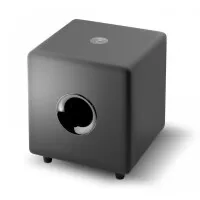


Presentation of product D-936R specifications from brand TOA
General Information
The TOA D-936R is a product from the brand TOA, known for its commitment to quality and innovation in the home appliance sector. This model, designated by the name D-936R, offers reliable performance and an enriching user experience, ideal for various uses.
Features
One of the main features of the TOA D-936R is its compatibility with the D-901 model, allowing for easy integration with multiple devices. Its frequency range extends from 20 Hz to 20 kHz, ensuring clear and precise sound reproduction across a wide range of tones, ideal for varied applications.
Weight and Dimensions
Weighing 145 g, the TOA D-936R is designed to be lightweight, making it easy to handle. Its compact dimensions of 35 x 178.4 x 119.5 mm ensure adaptability to different spaces while maintaining a neat aesthetic.
Sound Emission
The product stands out with its total harmonic distortion of 0.05 %, a figure that reflects its ability to produce faithful, high-quality sound, thus suitable for a wide range of users.
Advantages and Disadvantages
Among the notable advantages of the TOA D-936R are exceptional audio performance due to its frequency range, as well as compatibility with various devices, providing appreciable flexibility. Its lightweight design and compact dimensions facilitate integration into various environments while ensuring easy handling.
However, some disadvantages can be noted: its lightness may make it less stable in very dynamic environments, and while its compatibility is an asset, it limits use to specific devices. Additionally, the frequency range may not satisfy audiophiles seeking even broader audio performance. Finally, although the harmonic distortion is low, some very demanding users might consider it a point for improvement.


