
Manual of product Vulcan 800 (1999)
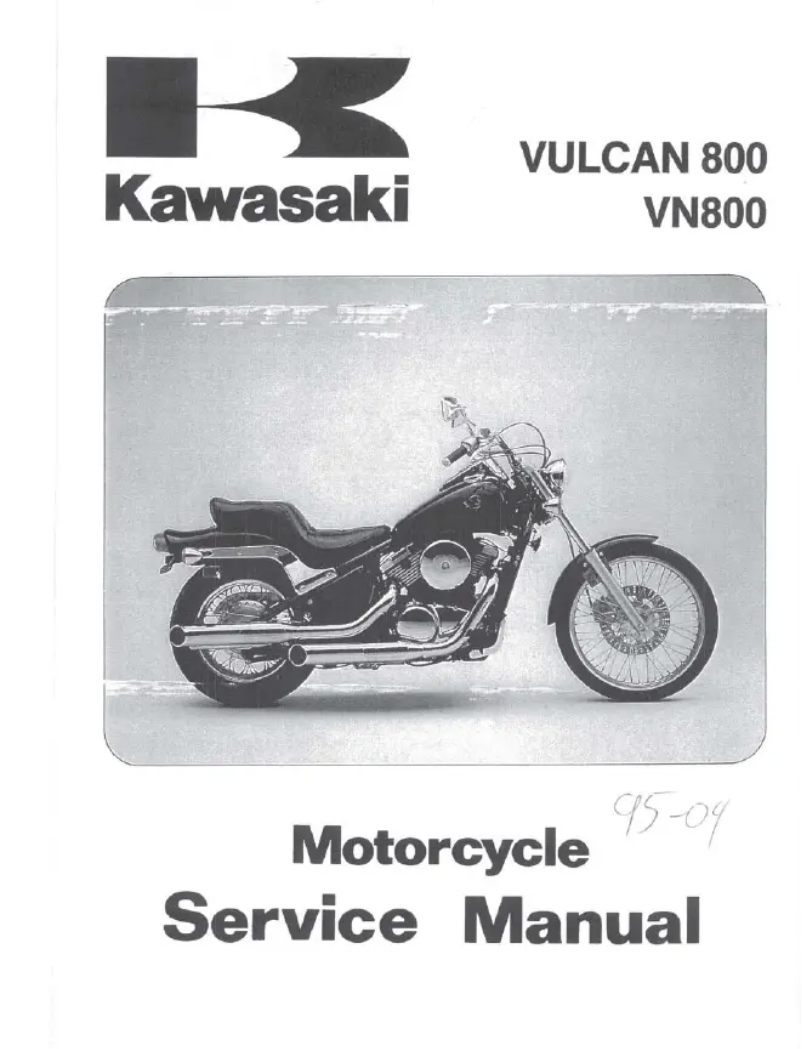
Editorial note
The Mitsubishi Vulcan 800 (1999) stands out for its classic and timeless design that will undoubtedly appeal to retro motorcycle enthusiasts. This model, although dating back to 1999, offers optimal performance thanks to a reliable engine, ensuring a smooth and enjoyable ride. The riding comfort is also a major asset, making this motorcycle ideal for long trips and rides. However, it is important to consider some drawbacks. As a relatively old model, the availability of spare parts can be an issue, which could complicate maintenance. Additionally, while the comfort level is satisfactory, the ergonomics may be limited over long distances. Fuel consumption is less efficient than that of modern motorcycles, which can lead to higher costs for daily use. Finally, the weight of the motorcycle can make it difficult to handle for less experienced riders. In summary, the Mitsubishi Vulcan 800 (1999) is a motorcycle that offers good value for money for enthusiasts of retro models, while requiring special attention regarding maintenance and fuel consumption.Score details
User experience
The user experience is satisfactory, with superior driving comfort for long trips, although the ergonomics may be limited.
Performance
The performance is optimal thanks to a reliable engine, providing a smooth and pleasant ride.
Design
The classic and timeless design attracts retro motorcycle enthusiasts, which is a great asset for this model.
repairability
The ease of maintenance is a positive point, but the availability of spare parts may be an issue due to the model's age.
Value for money
Fuel consumption is less efficient than that of modern motorcycles, which can lead to higher costs for daily commutes.
Robustness
The Mitsubishi brand is recognized for its quality, ensuring long-term durability and reliability.
Advantages
Classic and attractive retro design
Reliable engine for optimal performance
Ideal comfort for long journeys
Easy maintenance with detailed manual
Reputable brand for durability and reliability
Disadvantages
Old model, limited spare parts
Outdated safety technology
Limited comfort on long distances
Less efficient fuel consumption
Weight making maneuverability difficult
Technical Specifications Vulcan 800 (1999)
General Information
-
ModelVULCAN 800 (1999)
-
Brand
-
Category
-
Type
-
SKU103935
-
MPN103935
Frequently Asked Questions
How can I convert miles to kilometers?
What is the difference between E10 and E5 gasoline?
How often should I change the oil filter in my Mitsubishi engine?
How often should I change the oil in my Mitsubishi engine?
How can I remove rust from my Mitsubishi motorcycle?
Is the manual for the Mitsubishi Vulcan 800 (1999) available in French?
Similar products


More product categories from brand Mitsubishi
Home appliances Mitsubishi
Tools Mitsubishi
Other Mitsubishi
Phones Mitsubishi
Audio Mitsubishi
More product types from brand Mitsubishi


Presentation of product Vulcan 800 (1999) specifications from brand Mitsubishi
General Information
The Mitsubishi Vulcan 800 (1999) embodies the legacy of the Mitsubishi brand, known for its quality and expertise in the motorcycle industry. This model, both robust and elegant, promises reliable performance, thus offering a pleasant and smooth riding experience.
With its classic and timeless design, the Vulcan 800 attracts retro motorcycle enthusiasts while providing superior riding comfort, ideal for long rides and extended journeys. Its ease of maintenance, thanks to a detailed user manual, allows owners to keep their motorcycle in good condition with ease.
Advantages
- Attractive design: Its classic appearance appeals to fans of retro styles.
- Reliable performance: The engine offers a smooth and enjoyable ride.
- Riding comfort: Ideal for long trips, allowing full enjoyment of rides.
- Ease of maintenance: A comprehensive user manual facilitates upkeep.
- Durability: The brand's reputation ensures appreciable longevity and reliability.
Disadvantages
- Age: Due to its age, the availability of spare parts may be limited.
- Outdated technology: Safety features may seem obsolete compared to recent models.
- Ergonomics: Comfort on very long distances may be compromised by less optimized ergonomics.
- Fuel consumption: Less efficient than modern motorcycles, which can lead to higher costs.
- Weight: The motorcycle may be difficult to maneuver for novice or smaller riders.


