
Manual of product Vulcan 800 (2001)
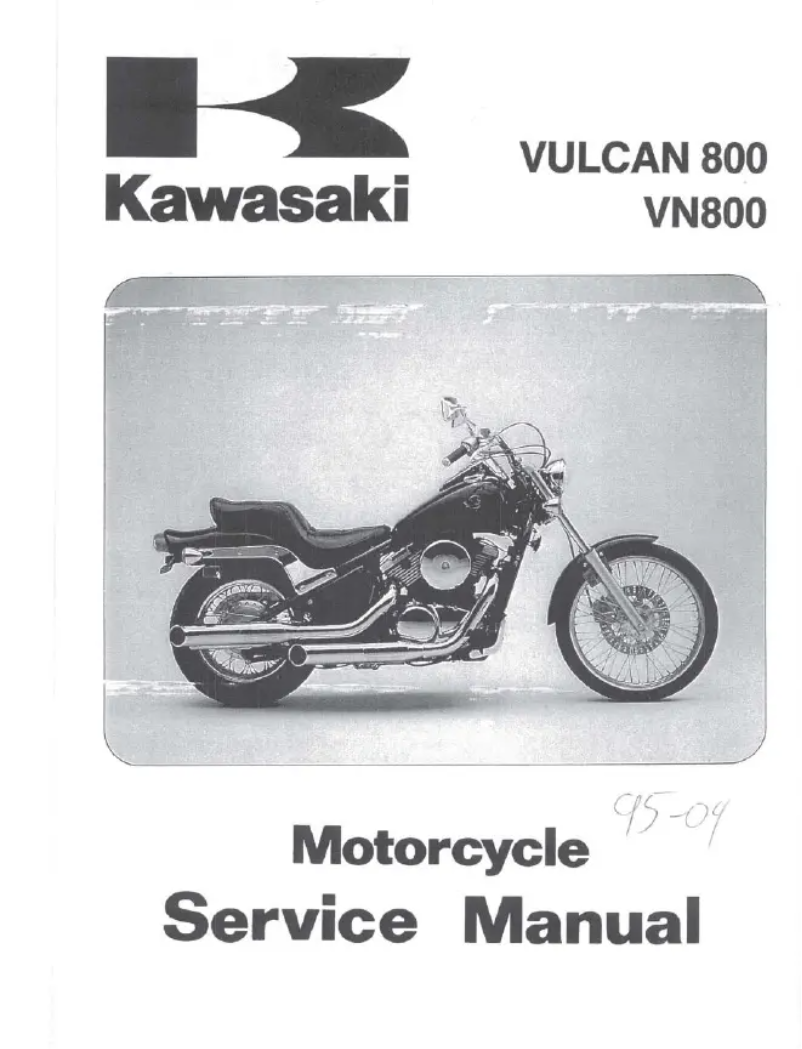
Editorial note
The Mitsubishi Vulcan 800 (2001) stands out for its classic and timeless design, which will appeal to vintage motorcycle enthusiasts. Its powerful engine delivers optimal performance, ensuring a smooth and enjoyable ride, especially for long journeys, thanks to increased riding comfort. The reputation for reliability of the Mitsubishi brand enhances the appeal of this model. However, a few drawbacks must be taken into account. Due to its age, spare parts can be difficult to find, complicating maintenance and repairs. Additionally, its relatively high weight can pose handling challenges for less experienced riders. Fuel consumption, less efficient than that of newer models, can also lead to higher operating costs. Finally, the absence of modern technologies, such as ABS or connectivity systems, may limit the appeal of the Vulcan 800 for riders looking for contemporary features. In summary, while this model offers a pleasant riding experience and good value for money, it may not be suitable for all users due to its limitations.Score details
User experience
The user experience is pleasant due to increased driving comfort, ideal for long distances.
Performance
The performance is optimal thanks to a powerful engine, providing a smooth and enjoyable ride.
Design
The classic and timeless design attracts vintage motorcycle enthusiasts, although some aspects may seem outdated.
repairability
The ease of maintenance is an asset, but spare parts can be difficult to find due to the age of the model.
Value for money
The value for money is fair, but the less efficient fuel consumption compared to recent models can lead to higher operating costs.
Features
The lack of advanced technologies like ABS or connectivity systems may limit its appeal to riders looking for contemporary features.
Advantages
Attractive vintage design
Powerful and smooth performance
Recognized reliability of Mitsubishi
Comfort for long distances
Easy maintenance with available manual
Disadvantages
Hard-to-find spare parts
High weight, complicated handling
Less efficient fuel consumption
Outdated design and safety
Lack of modern technologies
Technical Specifications Vulcan 800 (2001)
General Information
-
ModelVULCAN 800 (2001)
-
Brand
-
Category
-
Type
-
SKU103937
-
MPN103937
Frequently Asked Questions
How do I convert miles to kilometers?
What are the differences between E10 and E5 gasoline?
How often should I change the oil filter in my Mitsubishi engine?
How often is it necessary to change the oil in my Mitsubishi engine?
How can I remove rust from my Mitsubishi motorcycle?
Is the manual for the Mitsubishi Vulcan 800 (2001) available in French?
Similar products


More product categories from brand Mitsubishi
Home appliances Mitsubishi
Tools Mitsubishi
Other Mitsubishi
Phones Mitsubishi
Audio Mitsubishi
More product types from brand Mitsubishi


Presentation of product Vulcan 800 (2001) specifications from brand Mitsubishi
General Information
The Mitsubishi Vulcan 800 (2001) is an iconic motorcycle model from the Mitsubishi brand, famous for its quality and innovation in various fields. This model stands out for its classic and timeless design, appealing to vintage motorcycle enthusiasts. Designed to deliver optimal performance, it ensures a smooth and enjoyable riding experience thanks to its powerful engine.
In addition to its attractive aesthetics, the Vulcan 800 is known for its reliability and riding comfort, making it an ideal choice for long journeys. Its design also facilitates maintenance, with a user manual available to assist owners in caring for their motorcycle.
Advantages and Disadvantages
Advantages
- Classic design: attracts vintage motorcycle enthusiasts.
- Performance: powerful engine providing a pleasant ride.
- Reliability: Mitsubishi brand recognized for its quality.
- Comfort: ideal for long distances.
- Ease of maintenance: user manual available.
Disadvantages
- Parts availability: some replacement parts may be difficult to find due to the model's age.
- Weight: relatively high, which may affect maneuverability for less experienced riders.
- Fuel consumption: less efficient compared to modern models, leading to potentially higher operating costs.
- Outdated design: safety features may seem outdated compared to current standards, impacting user confidence.
- Lack of advanced technologies: absence of modern equipment like ABS or connectivity systems, which may limit its appeal to some riders.


